84 Results for "

Nigella sativa L.

" in MedChemExpress (MCE) Product Catalog:
Products (84)

84 Results for "Nigella sativa L." in MCE Product Catalog:

15
15 Publications Verification
Cat. No.: HY-D0803
CAS No.: 490-91-5
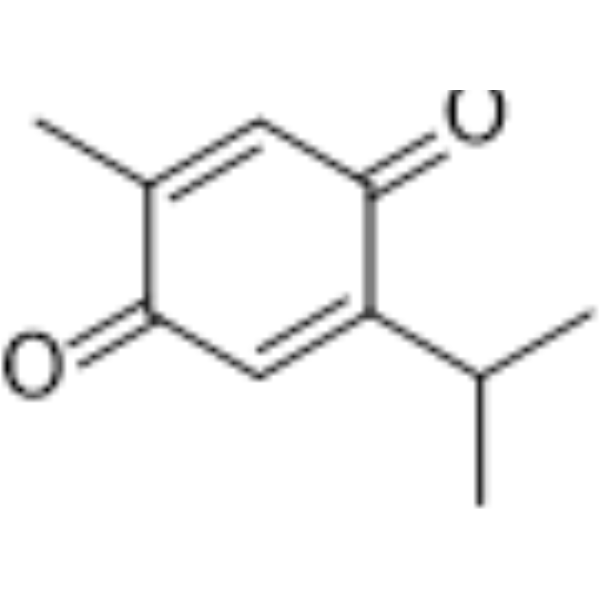
Thymoquinone is an orally active natural product isolated from N. sativa Thymoquinone down-regulates the VEGFR2-PI3K-Akt pathway. Thymoquinone has antioxidant, anti-inflammatory, anticancer, antiviral, anticonvulsant, antifungal, antiviral, antiangiogenic activity and hepatoprotective effects. Thymoquinone can be used to study Alzheimer's disease, cancer, cardiovascular disease, infectious disease and inflammation .
loading...
    loading...
3
3 Cited Publications
Cat. No.: HY-N3308
CAS No.: 32383-76-9
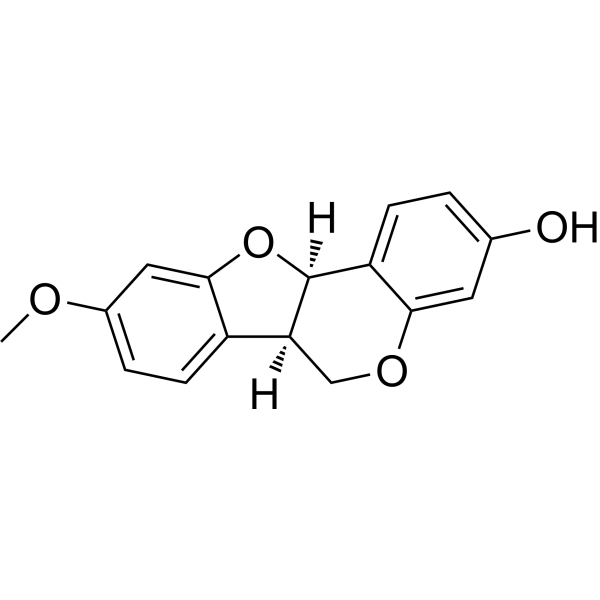
Medicarpin is a flavonoid isolated from Medicago sativa. Medicarpin induces apoptosis and overcome multidrug resistance in leukemia P388 cells by modulating P-gp-mediated efflux of agents .
loading...
    loading...
3
3 Cited Publications
Cat. No.: HY-119502
CAS No.: 135531-86-1
Purity:  99.70%
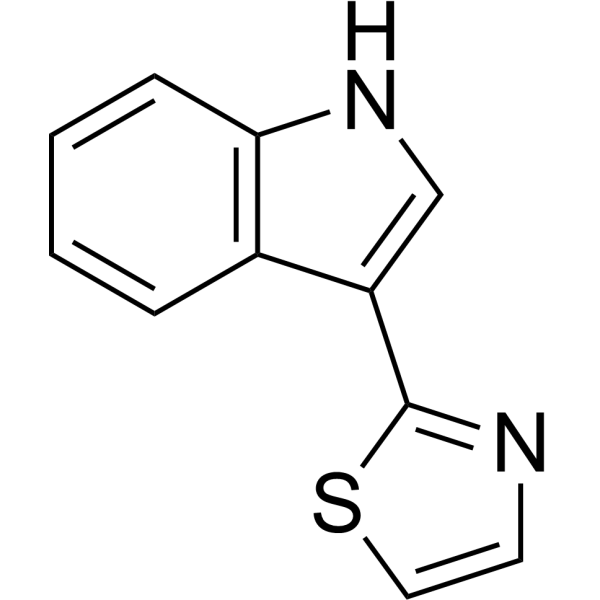
Camalexin is a phytoalexin isolated from Camelina sativa (Cruciferae) with antibacterial, antifungal, antiproliferative and anticancer activities. Camalexin can induce reactive oxygen species (ROS) production .
loading...
    loading...
2
2 Cited Publications
Cat. No.: HY-75342
CAS No.: 3943-74-6
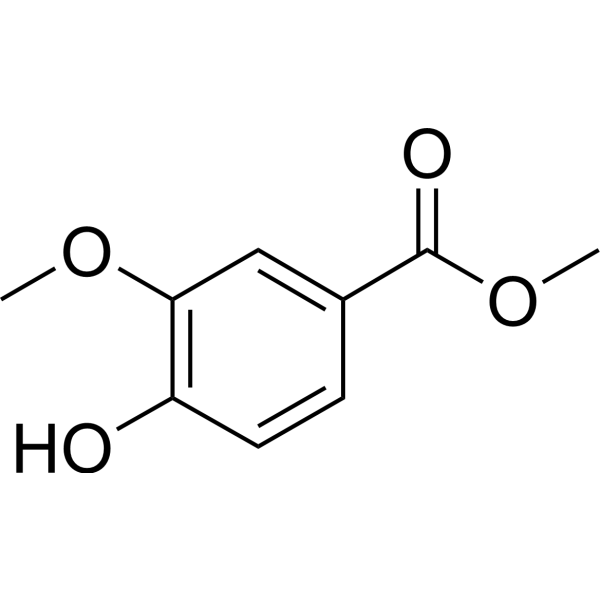
Methyl vanillate, one of the ingredients in Oryza sativa Linn., is a Wnt/β-catenin pathway activator . A benzoate ester that is the methyl ester of vanillic acid. It has a role as an antioxidant and a plant metabolite.
loading...
    loading...
2
2 Cited Publications
Cat. No.: HY-N5114
CAS No.: 53382-71-1
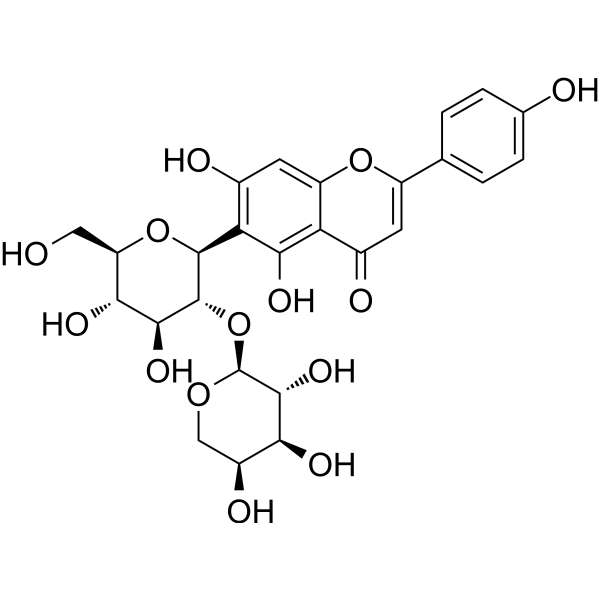
Isovitexin 2''-O-arabinoside is a flavonoid in plantlets of Avena sativa L. .
loading...
    loading...
2
2 Cited Publications
Cat. No.: HY-109589A
CAS No.: 62322-84-3
Purity:  99.95%
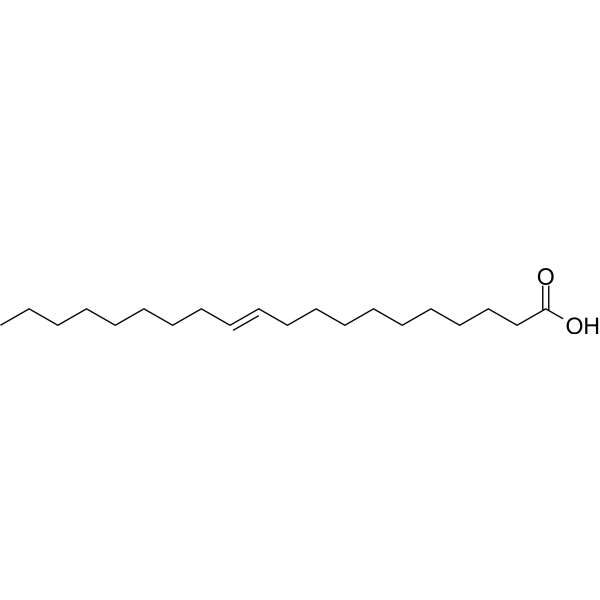
trans-11-Eicosenoic acid is a fatty acid that inhibits the phosphatase activity of PtpA from Mycobacterium tuberculosis, with an IC50 of 27.97 µM. trans-11-Eicosenoic acid is detected in the stems of alfalfa plants inoculated with Sinorhizobium meliloti LL11, but is absent in the stems of uninoculated alfalfa or the strain itself .
loading...
    loading...
2
2 Cited Publications
Cat. No.: HY-W440039
CAS No.: 67828-42-6
Category:  

Plants

Target:  

Herbicide

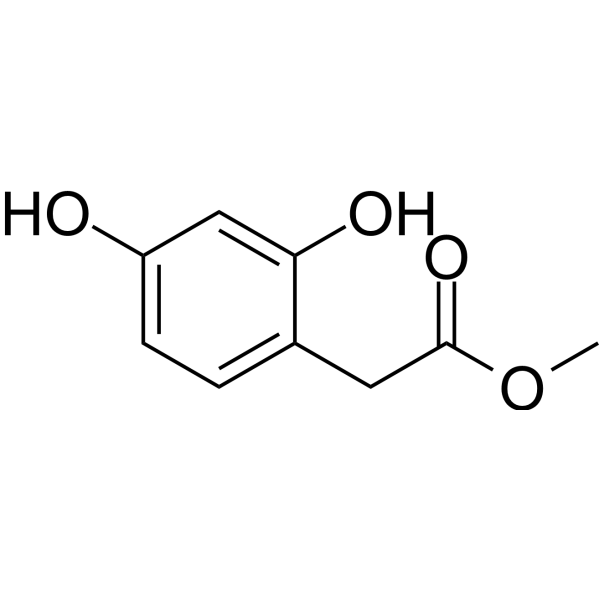
Methyl 2-(2,4-dihydroxyphenyl)acetate, a phenolic ester, is isolated from Nigella damascena seeds with selective phytotoxic effects .
loading...
    loading...
1
1 Cited Publications
Cat. No.: HY-N3979
CAS No.: 80510-06-1
Grossamide is a natural product that can be isolated from fructus cannabis, the dried fruit of Cannabis sativa L.. Grossamide has anti-neuroinflammatory effects .
loading...
    loading...
Cat. No.: HY-118693
CAS No.: 115610-36-1
Synonyms: Dianthramide P
Avenanthramide D is a phenolic acids found in the Avena sativa L.. Avenanthramide D is promising for research of inflammation .
loading...
    loading...
Cat. No.: HY-W753479
CAS No.: 1086463-05-9
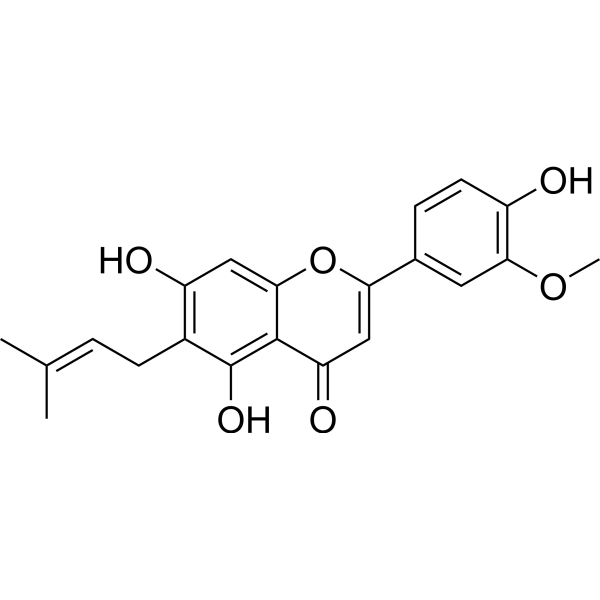
Cannflavin C (compound 5) can be isolated from Cannabis sativa. Cannflavin C has anti-oxidant activity .
loading...
    loading...
Cat. No.: HY-W749694
CAS No.: 76735-58-5
Synonyms: Canniflavone
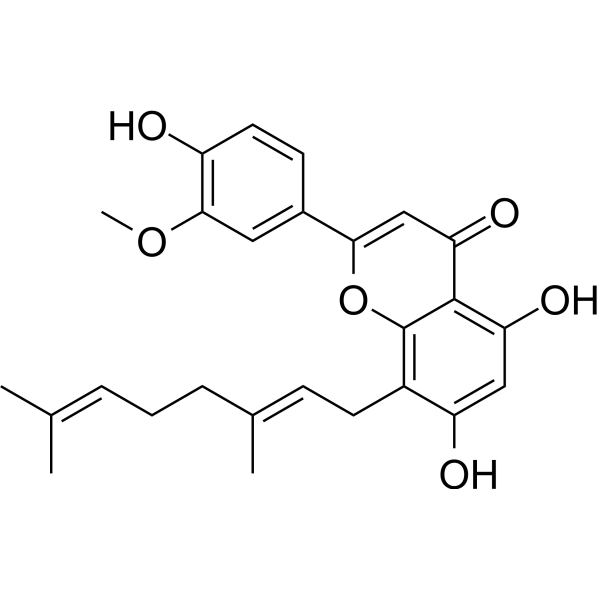
Cannflavin B is a flavonoid compound that can be isolated from Cannabis sativa L. Cannflavin B is inhibitors of PGE2 release (IC50: 0.7 μM), mPGES-1 (IC50: 3.7 μM), and 5-lipoxygenase. Cannflavin B has multiple activities such as anti-inflammatory, antioxidant, anti-glycation, anti-ferroptosis, anti-tumor, and anti-Leishmania (IC50: 14 μM). Cannflavin B can also inhibit the TrkB-BDNF signaling pathway .
loading...
    loading...
Cat. No.: HY-N1677
CAS No.: 530-55-2
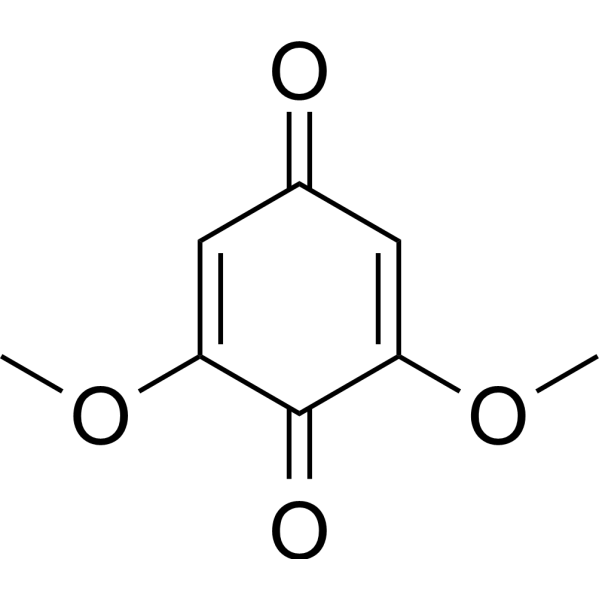
2,6-Dimethoxy-1,4-benzoquinone is a 1,4-benzoquinone derivative. 2,6-Dimethoxy-1,4-benzoquinone promotes phosphorylation of AKT, S6K, mTOR, 4E-BP1, and AMPK, and attenuates mTORC1 activity as part of the AKT/mTOR pathway. 2,6-Dimethoxy-1,4-benzoquinone stimulates myoblast differentiation, increases myotube size, elevates MHC protein expression, enhances mitochondrial biogenesis, respiration, and DNA content, and increases skeletal muscle weights, fiber size, grip strength, and treadmill performance. 2,6-Dimethoxy-1,4-benzoquinone exerts anti-cancer, anti-inflammatory, anti-adipogenic, antibacterial, and antimutagenic effects, inhibits adipogenic transcription factors, nitric oxide production, skin tumor development, Magnaporthe oryzae growth, spore germination, appressorium formation, and growth of select bacterial species, induces H2O2 generation and rice defense gene expression, and reduces rice blast lesion formation. 2,6-Dimethoxy-1,4-benzoquinone can be used for the research of obesity, skin tumorigenesis, rice blast disease, and food-borne illness .
loading...
    loading...
Cat. No.: HY-W748591
CAS No.: 76735-57-4
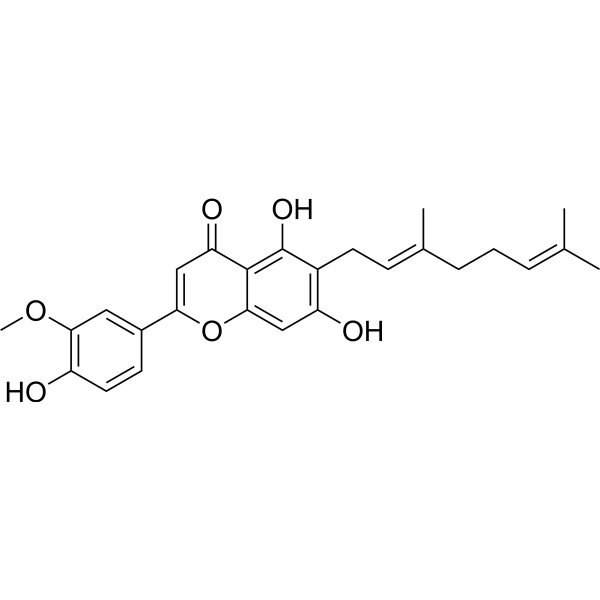
Cannflavin A can be isolated from Cannabis sativa L.. Cannflavin A has anti-cancer, neuroprotective and anti-inflammatory activity. Cannflavin A inhibits 1-42 aggregation. Cannflavin A also inhibits kynurenine-3-monooxygenase (KMO) (IC50 = 29.4 μM). Cannflavin A activates apoptosis via caspase-3 cleavage. Cannflavin A exerts anti-inflammatory effects by inhibiting pro-inflammatory enzymes, including prostaglandin E2 and cytochrome c oxidases I and II in PC12 cell line .
loading...
    loading...
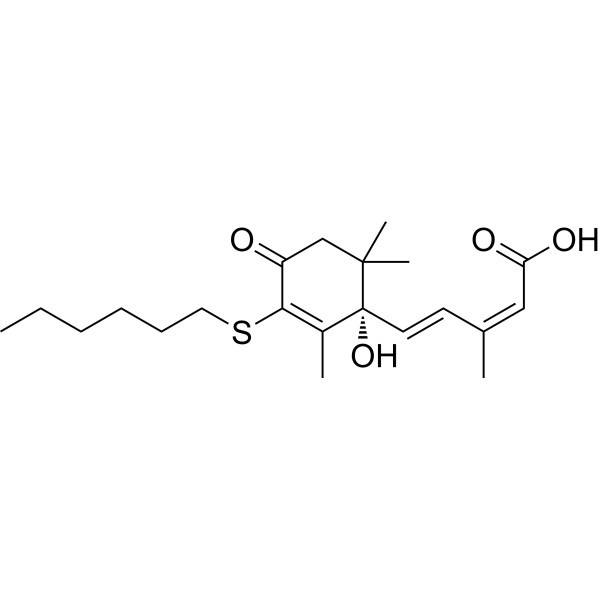
Cat. No.: HY-120161
CAS No.: 1609660-14-1
Synonyms: 3'-Hexylsulfanylabscisic acid
Research Areas:  

Others

AS6 (3'-Hexylsulfanylabscisic acid) is a PYL antagonist with a Kd value of 0.48 μM for Arabidopsis PYL5. AS6 binds to PYL proteins, and its S-hexyl chain blocks PP2C binding via steric hindrance. AS6 alleviates the inhibitory effect of ABA on seed germination in Arabidopsis and lettuce .
loading...
    loading...
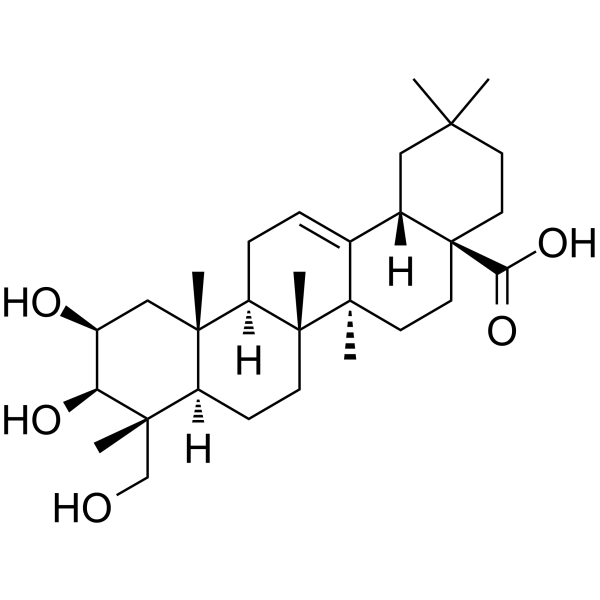
Cat. No.: HY-N1932
CAS No.: 6989-24-8
Bayogenin is a triterpenoid saponin and one of the main components of Medicago sativa saponins. Bayogenin is an inhibitor of glycogen phosphorylase .
loading...
    loading...
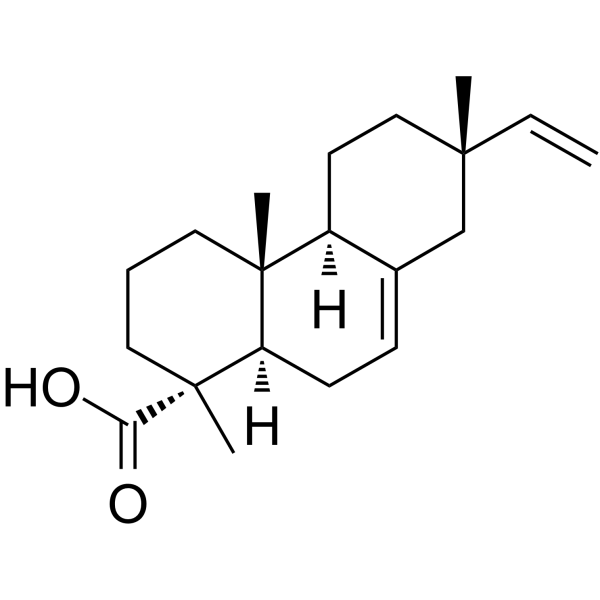
Cat. No.: HY-N3463
CAS No.: 5835-26-7
Isopimaric acid is a coniferous tree defense compound. Isopimaric acid binds to AKT and inhibits mTOR phosphorylation, thereby regulating the AKT/mTOR pathway. Isopimaric acid inhibits oxidative stress, inflammation, microglial migration, apoptosis, autophagic flux, ornithine decarboxylase activity, breast cancer proliferation and metastasis, and fungal spore germination. Isopimaric acid also induces M2 microglial polarization, mitochondrial damage, ROS accumulation, starvation-induced colon cancer cell apoptosis, and breast cancer cell cycle arrest. Isopimaric acid activates potassium channels, regulates sodium channels and calcium channels, reduces myocardial excitability, and improves arrhythmia. Isopimaric acid acts as an oxidative substrate for CYP6BW1/3, down-regulates PINK1/Parkin, and regulates calcium homeostasis, oxidative phosphorylation, EMT, and the Wnt pathway. Isopimaric acid exhibits activity against drug-resistant Staphylococcus aureus, repels feeding, and promotes the growth of rice seedlings. Isopimaric acid is suitable for research related to epilepsy, tumors, drug-resistant bacterial infections, atrial fibrillation, hypertension, hyperlipidemia, pulmonary tuberculosis, etc .
loading...
    loading...
Cat. No.: HY-174423
CAS No.: 1994348-72-9
Synonyms: NC-656
Target:  

Herbicide HPPD

Research Areas:  

Others

Iptriazopyrid is a 4-hydroxyphenylpyruvate dioxygenase (HPPD) inhibitor, with a Ki value of 24.3 nM against Arabidopsis thaliana and 33.3 nM against Oryza sativa. Iptriazopyrid binds to the active pocket of HPPD, occupies the catalytic site, inhibits carotenoid biosynthesis, prevents chloroplast formation, and induces albino and chlorotic symptoms in sensitive plants. Used as a herbicide, Iptriazopyrid can control barnyardgrass when applied alone, and its efficacy does not decrease when mixed with labeled residual herbicides. When Iptriazopyrid is mixed with 2,4-D or triclopyr, its barnyardgrass control effect shows an antagonistic effect. Iptriazopyrid is a triazole carboxamide herbicide that exhibits selectivity for Oryza sativa over Echinochloa crus-galli, and has partial tank-mix compatibility with synthetic auxin herbicides registered for rice .
loading...
    loading...
Cat. No.: HY-N0308
CAS No.: 112-14-1
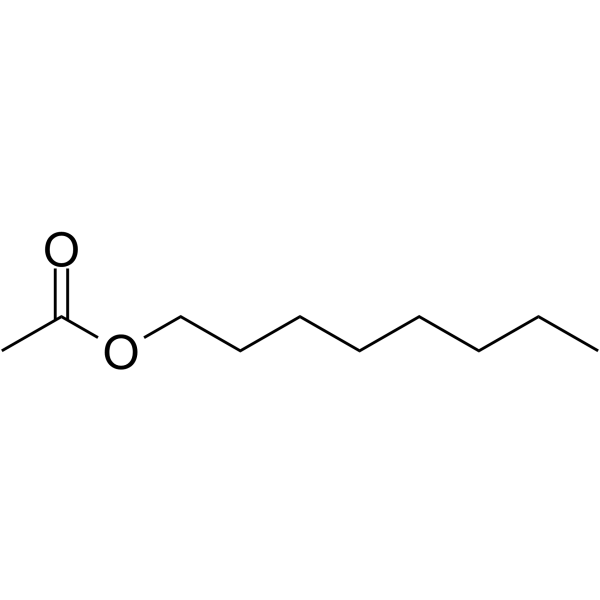
Octyl acetate is an orally active aliphatic ester. Octyl acetate has certain antioxidant properties. Octyl acetate contributes to the formation of fruit aroma and affects the flavor of fruits such as strawberries. Octyl acetate can be used in the research of malignant melanoma, colon cancer and breast cancer .
loading...
    loading...
Cat. No.: HY-N1959
CAS No.: 130508-46-2
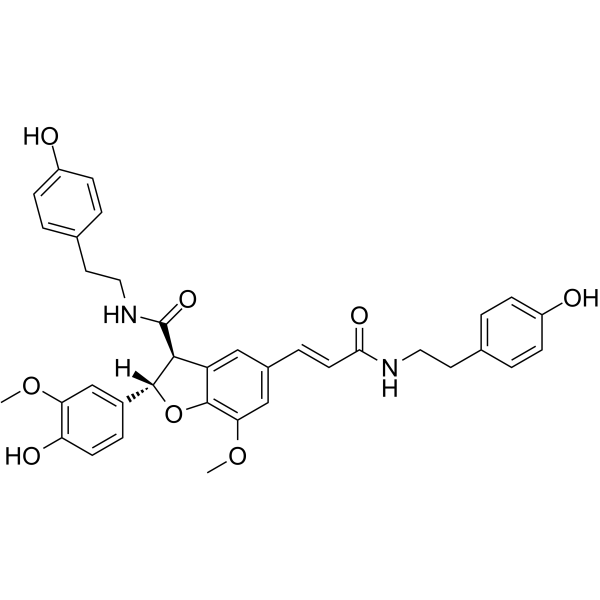
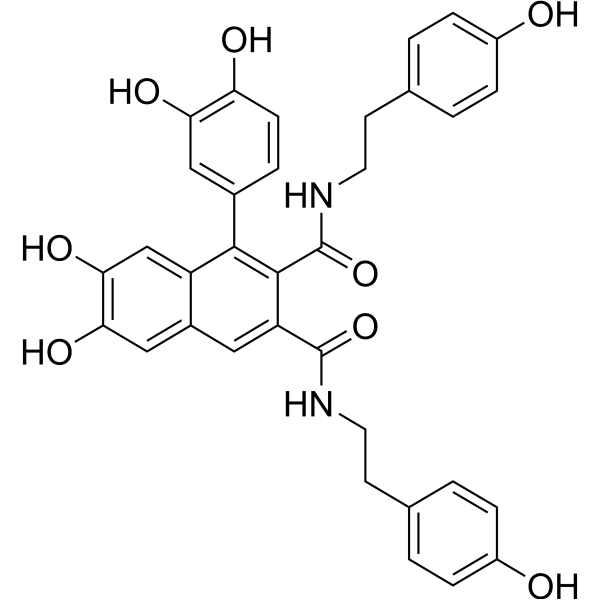
Cannabisin A is a natural product in seeds in sprouts .
loading...
    loading...
Cat. No.: HY-W004297
CAS No.: 1454-84-8
1-Nonadecanol is an endogenous metabolite that can be produced by Pantoea agglomerans from Medicago sativa rhizosphere, present in Neotinea ustulata scent and Heracleum thomsonii essential oil. 1-Nonadecanol exerts antimicrobial activity against Streptococcus pneumonia, Klebsiella, and S. aureus. 1-Nonadecanol can be used for the research of bacterial infections and pea aphid infestation .
loading...
    loading...

